
Aikido in Southgate London N14
Japanese Ju-Jitsu vs Aikido
Japanese Ju-Jitsu and Aikido both come from traditional Japanese martial arts, but the training focus is different. Aikido places a strong emphasis on balance, movement, timing, redirection and control. Japanese Ju-Jitsu is generally more direct and practical, with a wider range of techniques for real-world self-defence.
At Southgate Ju-Jitsu, students learn a complete martial arts system that includes striking, throwing, locking, restraint work and groundwork. This makes Japanese Ju-Jitsu a very practical choice for people who want to improve fitness, build confidence and learn realistic self-defence skills. 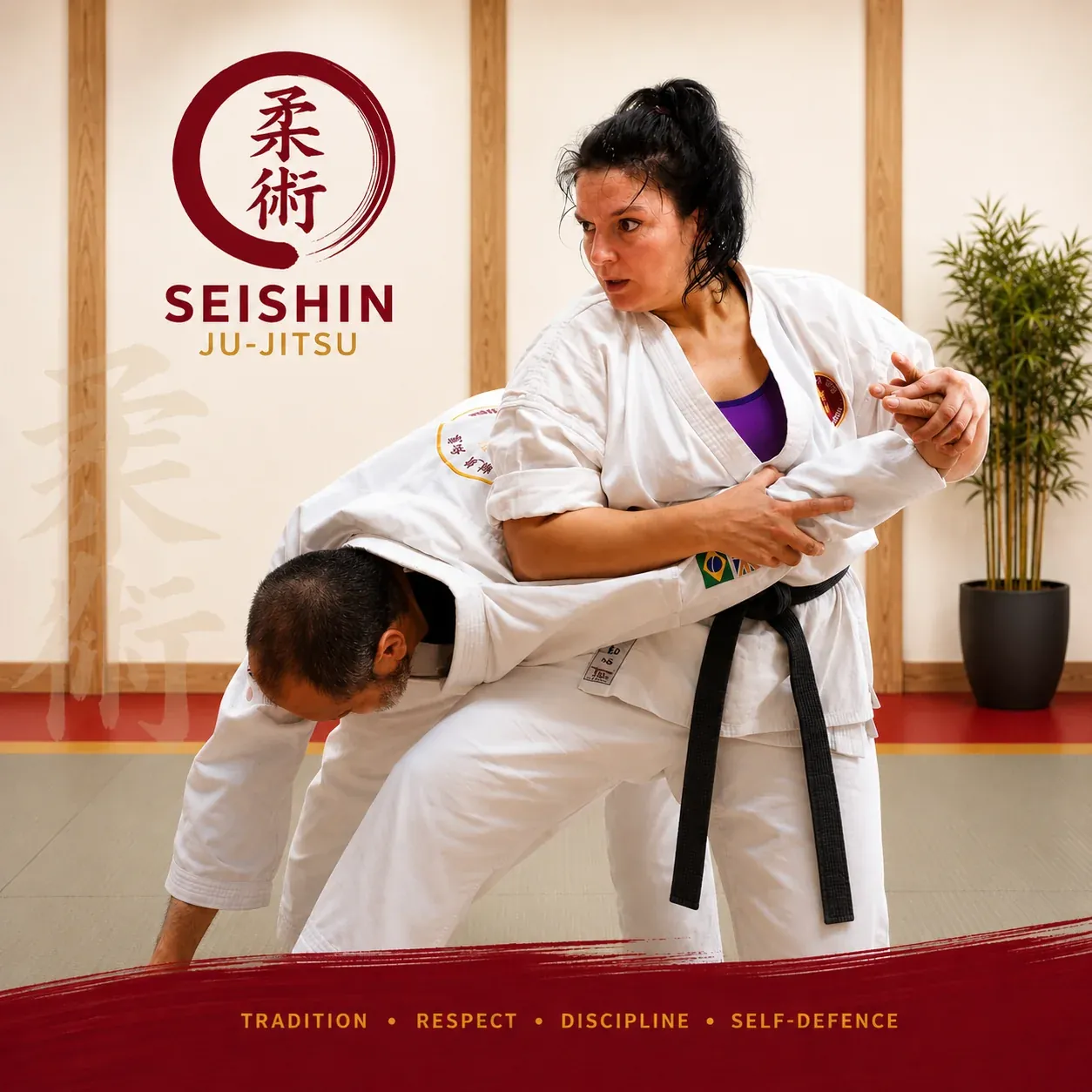
Aikido Clubs Near Southgate
If you are considering Aikido training, there are several established clubs within easy reach of Southgate and North London. Each offers its own approach to Aikido, from traditional Aikikai instruction to Ki Aikido and modern interpretations of the art.
North London Aikido
A traditional Aikikai-affiliated dojo following the teachings of the Aikikai Hombu Dojo in Tokyo. Training focuses on technique, movement, control and traditional Japanese martial arts principles.
Website: www.northlondonaikido.org
Aikido of London
Based in Archway, this club provides comprehensive Aikido training including throws, joint locks, breakfalls and traditional weapons practice. It attracts students from across North London.
Website: www.aikidooflondon.com
Agatsu Aikido Club
A respected North London dojo affiliated with the Aikikai Foundation of Japan. Training combines traditional techniques with a strong emphasis on personal development, posture and movement.
Website: www.agatsuaikido.co.uk
While Aikido develops balance, timing and movement, Japanese Ju-Jitsu generally offers a broader self-defence syllabus including striking, throws, locks, chokes, restraints and groundwork. Many martial artists choose to study both disciplines to gain a wider understanding of traditional Japanese martial arts.
Advantages of Japanese Ju-Jitsu
- Practical training for real-world self-defence situations
- Includes punches, kicks, elbows, knees, throws, locks and chokes
- Covers standing defence, close-range attacks and groundwork
- Teaches escapes from grabs, holds, bear hugs and common attacks
- Develops fitness, strength, balance, coordination and confidence
- Useful for both self-defence and personal development
- Provides a strong foundation for modern martial arts training
Which Martial Art Is Better for Self-Defence?
For most people looking for practical self-defence, Japanese Ju-Jitsu offers several advantages. It teaches students how to deal with different types of attacks, including punches, grabs, holds, takedowns and close-range situations. Training also includes learning how to stay calm, move effectively and respond with simple, practical techniques.
Aikido can be very effective for improving movement, balance and awareness, but many Aikido schools spend less time on striking, groundwork and pressure-based self-defence drills. Japanese Ju-Jitsu usually gives students a broader set of tools because it combines striking, throws, joint locks, chokes, escapes and control techniques in one system.
Why Choose Japanese Ju-Jitsu?
Japanese Ju-Jitsu is ideal for students who want a traditional martial art with practical modern use. It is suitable for beginners and can help improve confidence, fitness, discipline and personal safety. Classes are structured so students can progress at their own pace while learning effective self-defence skills in a friendly and supportive environment.
If your goal is practical self-defence, improved fitness and learning a complete martial art, Japanese Ju-Jitsu is often the stronger choice. If your main interest is movement, harmony, balance and traditional principles, Aikido may also be worth exploring.